 stickrep
Is it OK to work out on an empty stomach?
Is it OK to work out on an empty stomach?
Yes, working out on an empty stomach can be OK for a healthy adult doing a short, easy session, provided they feel well. Eating first is a better choice for longer or demanding exercise, or when skipping food leaves you feeling weak or light-headed. Breakfast is optional for some workouts, not a fitness test. British Heart Foundation guidance
1. Match the decision to the workout you actually plan to do.
An easy walk before breakfast and a demanding training session deserve different decisions: the British Heart Foundation says low-intensity or shorter exercise may be manageable without eating beforehand, while longer sessions benefit from food first. A systematic review of fasted and fed exercise found that eating beforehand improved prolonged aerobic performance, without a clear benefit for shorter aerobic efforts. That finding does not establish that every short workout suits every person, or that hard intervals and heavy lifting will feel equally comfortable without food. Choose the easier session when trying exercise before breakfast, and use workout length in the context of your week to decide where a small session belongs.
2. Do not skip breakfast for a promised fat-loss advantage.
A review of fuel use during aerobic exercise found greater fat oxidation during fasted exercise, meaning more fat was used as fuel during the session. That measurement does not demonstrate greater lasting fat loss, and a separate review of overnight-fasted training found no clear advantage for weight or body composition. The longer-term evidence was limited, so neither a dramatic promise nor a claim that meal timing can never matter is justified. If weight concerns brought you here, let comfort and the ability to complete your chosen activity guide breakfast timing rather than treating hunger as proof that exercise is working.
Should I work out after eating?
3. Leave room for digestion instead of choosing between stuffed and hungry.
Yes, working out after eating is fine, but the size of the meal and your stomach's response matter: Mayo Clinic suggests allowing three to four hours after a large meal and roughly one to three hours after smaller meals or snacks. Those are general starting points rather than a requirement to watch the clock before every walk. If you are deciding whether to work out after dinner, use the same principle: a substantial dinner calls for more digestion time before demanding exercise than a small snack does. A snack close to exercise can be comfortable for some people, so avoid turning somebody else's breakfast schedule into a rule for your own stomach.
4. Stop when you feel unwell rather than trying to finish the set.
Light-headedness, dizziness, feeling faint, chest pain or uncomfortable breathing are reasons to stop exercising, as outlined in Cambridge University Hospitals' exercise safety guidance. Pain is also a reason to stop; do not use the remaining repetitions as a test of determination. Avoid assuming that dizziness proves you have low blood sugar, because the NHS says hypoglycaemia is rare in people without diabetes. Seek medical advice for unexplained or recurring symptoms, and urgent help for severe symptoms rather than experimenting with another workout.
5. Get individual advice when a health condition changes the decision.
If you have diabetes, check with your doctor before trying fasted workouts, particularly if you take insulin or another medicine associated with low blood sugar. The NHS lists missed meals and exercise among factors that can contribute to hypoglycaemia, so general advice about exercising before breakfast cannot replace your diabetes care plan. If you are pregnant, an older adult, managing another health condition or injury, or returning after illness, check with a doctor or physiotherapist first. Bring a concrete question about the activity you want to do and whether exercising before eating is appropriate for your circumstances.
What exercise can I try before breakfast?
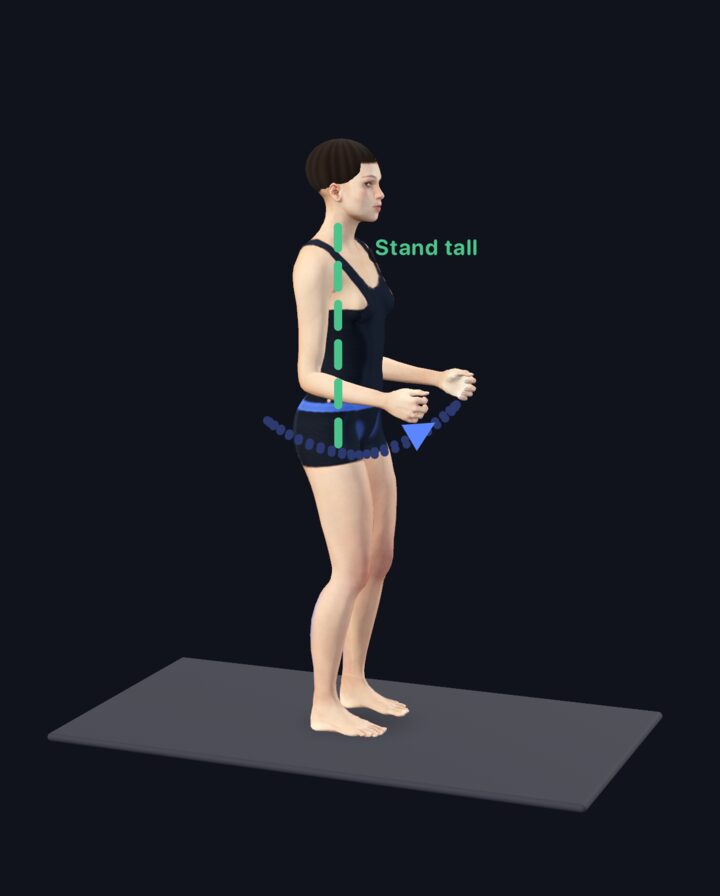
6. Start with comfortable marching rather than a hard circuit.
For a healthy adult who feels well, try marching on the spot for three minutes, starting slowly and letting your arms swing naturally, following the marching element of the NHS warm-up. Keep your steps low if lifting your knees is difficult, and pause whenever you need to rather than chasing a step count. Treat the marching as a gentle check-in, not permission to accelerate into a demanding session; the CDC talk test describes moderate activity as allowing conversation but not singing, and this trial can stay easier than that. If marching feels uncomfortable or you feel unwell, stop the trial instead of moving on to the strength exercises.
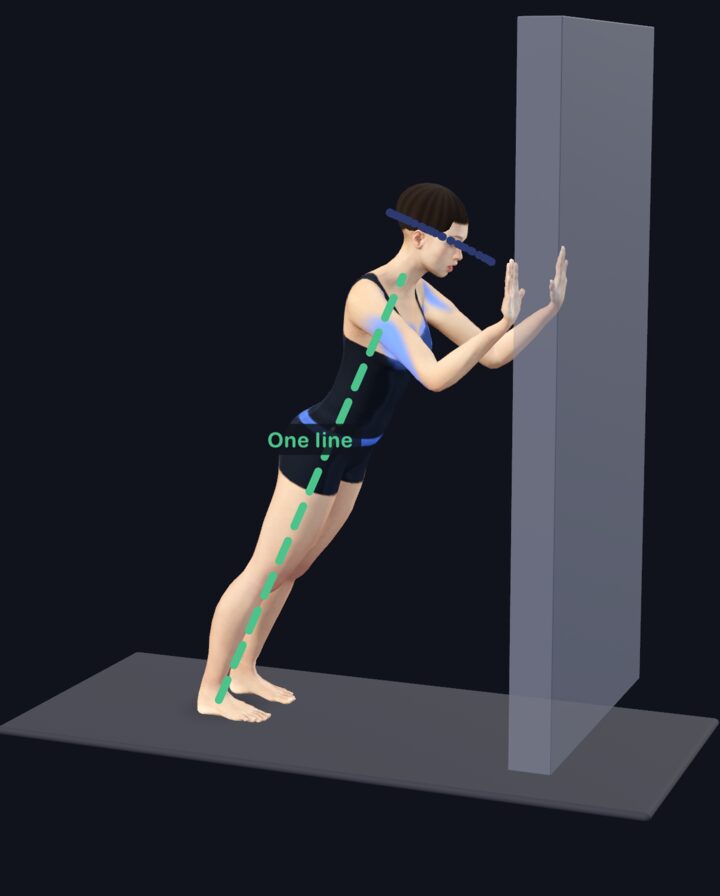
7. Use a wall push-up to keep the upper-body work adjustable.
If you still feel comfortable after marching, stand facing a wall with your hands at chest height, bend your elbows slowly to bring your chest towards the wall, then press back while keeping your body straight. Try five controlled repetitions, using the lower end of the repetition range in the NHS wall press-up instructions, and finish before the movement becomes a struggle. For an easier version, stand closer to the wall and use a smaller bend at the elbows, stopping if the movement causes pain. Rest until you feel ready before deciding whether to continue; the coach has no appointment to get to.
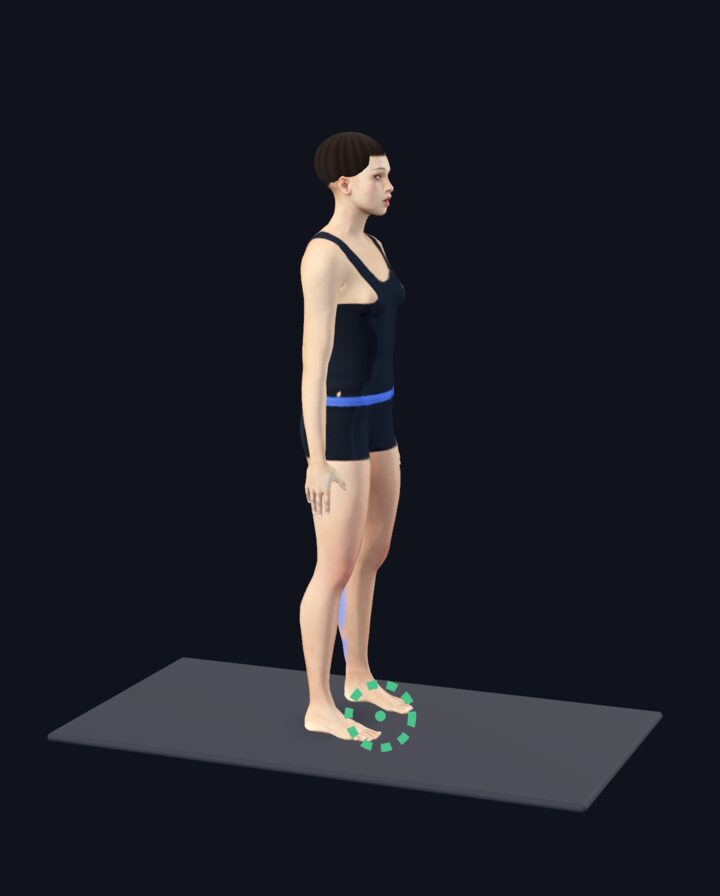
8. Finish the strength trial with supported calf raises.
Hold the back of a stable chair that cannot slide, lift both heels slowly as far as comfortable, and lower them with control for five repetitions, following the NHS calf-raise instructions. Keep the chair support throughout, and make the lift smaller or do fewer repetitions if the full movement is difficult. This is a small movement trial rather than a complete strength programme, so there is no need to add rounds just because breakfast has not happened yet. For a broader routine once you have settled on comfortable food timing, the beginner's guide to working out at home gives the next steps.
9. Keep water and your usual eating routine in the picture.
Skipping food before a session does not require skipping water: Mayo Clinic's exercise guidance recommends drinking fluids before, during and after exercise. Finish the gentle trial by moving more slowly, then return to your usual breakfast rather than deliberately extending the fast to make the workout count. The same Mayo guidance supports eating after exercise to help recovery, without making a complicated eating schedule necessary for this small session. On another morning, choose breakfast first if that feels more comfortable; keeping the activity manageable is a more useful experiment than repeatedly testing how hungry you can exercise.
The short version
- A short, easy workout before breakfast can be OK if you are healthy and feel well.
- Eat first when the workout is demanding or skipping food feels uncomfortable.
- Stop for pain, dizziness, faintness or other warning symptoms.
- Fasted exercise has no established special advantage that makes breakfast worth avoiding.
This article is general information, not medical advice. If you have a health condition, an injury or are pregnant, check with a doctor before you start.
 How often should I work out my legs?
 How many push-ups a day is good?
 How to warm up corn tortillas so they fold