 stickrep
How to Stay Motivated to Workout: Five Myths
How to make workouts easier to repeat
To stay motivated to work out, pick a time that fits your real week, choose movement you like enough to repeat, and keep a shorter version ready for busy days. If you miss a workout, go back to your usual slot or use your backup slot. Give yourself a clear place to start.
How to stay motivated to exercise regularly?
Tie your workout to something that already happens, and decide what you'll do if that slot falls through.
Myth: I need to feel motivated before I can exercise regularly. Enthusiasm can make the first workout easy to say yes to. When it fades, waiting for another burst of energy can feel like the sensible option, especially when the only plan is to exercise sometime after work.
What’s true: A recurring cue gives you a specific moment to begin. In an everyday habit study, repeating a behaviour in the same context was linked to it feeling more automatic over time. Scheduling has limits, though. In a field experiment, asking gym members to plan their visits did little to change how often they went. Everyday habit study · Gym planning experiment
Give the plan a cue, a first action and a fallback. Try “After I close my laptop on Tuesday, I’ll move the chair into place and start my home routine. If work runs late, I’ll take a short walk at lunch on Wednesday.” If your shifts change, pick the cue when you get your rota. A workout can move around the calendar and still have a specific place in it.
How to stay motivated to workout at home?
Keep a short routine you can start with a clear patch of floor, a wall and a sturdy chair.
Myth: A home workout needs a big block of time to count. A longer session can give you room for more exercises and rest. If that’s your picture of a proper workout, a small gap between getting home and making dinner can seem too short to use.
What’s true: Short bouts of moderate or vigorous aerobic activity can contribute to your weekly total. A brief strength session can also give you a chance to practise familiar movements. For the bigger picture, look at how long a workout should be in the context of your whole week. CDC adult activity guidelines
For a busy-day backup, start by walking gently around the room. Then try one round of these moves, adapted from the NHS home strength exercises. Take about 30 seconds between moves as a starting point, and rest longer if you need it. Finish with an easy walk around the room. Stop if a move hurts. NHS home strength exercises
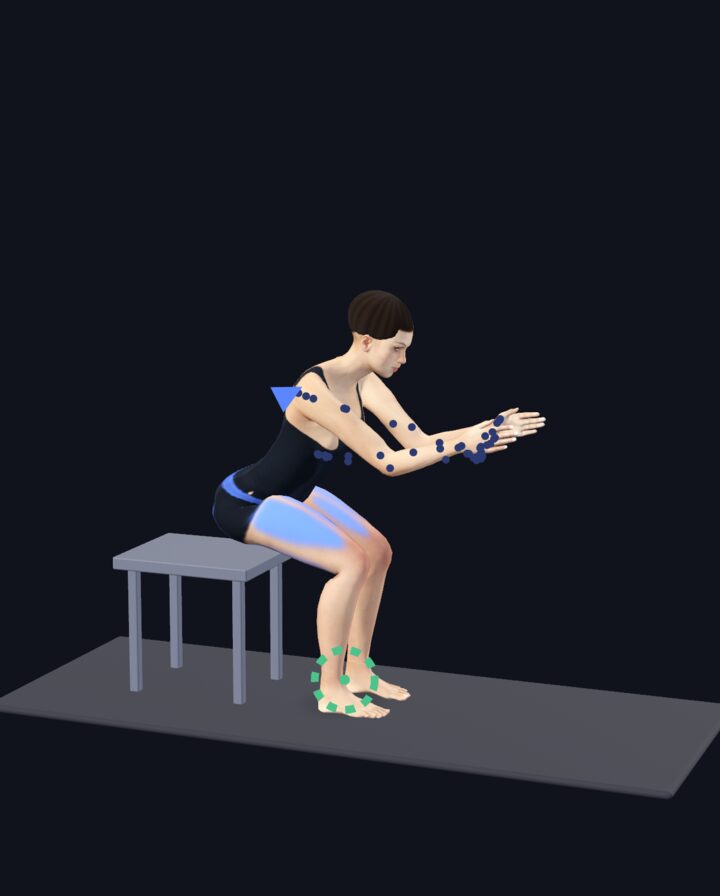
Chair sit-to-stand. Sit on a stable chair with your feet flat. Lean slightly forward, stand up, then lower yourself back to the seat. Try five slow reps. For an easier version, use a higher, stable seat. NHS sit-to-stand
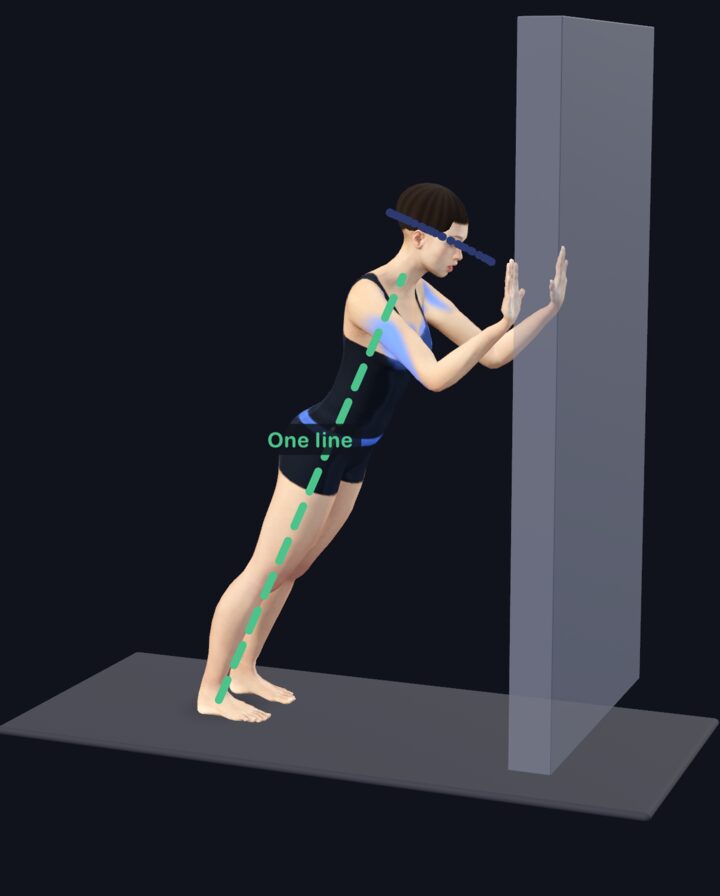
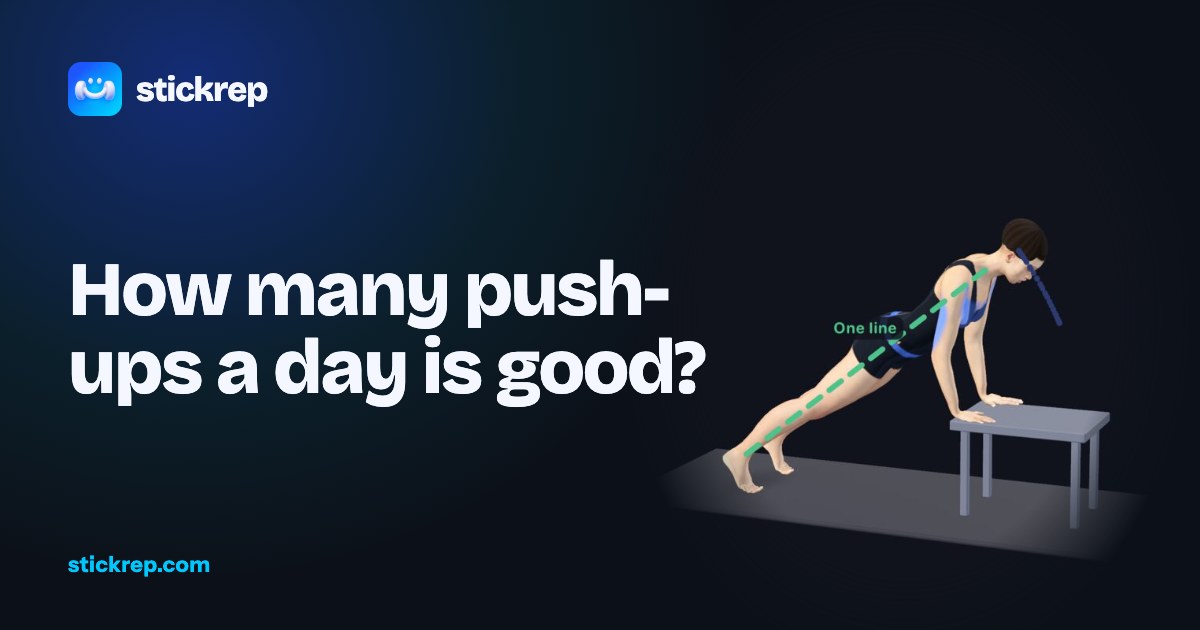
Wall push-up. Put your palms on the wall at chest height. Bend your elbows to bring your chest towards the wall, then press away. Try five reps. For an easier version, stand closer to the wall and use a smaller bend. NHS wall press-up
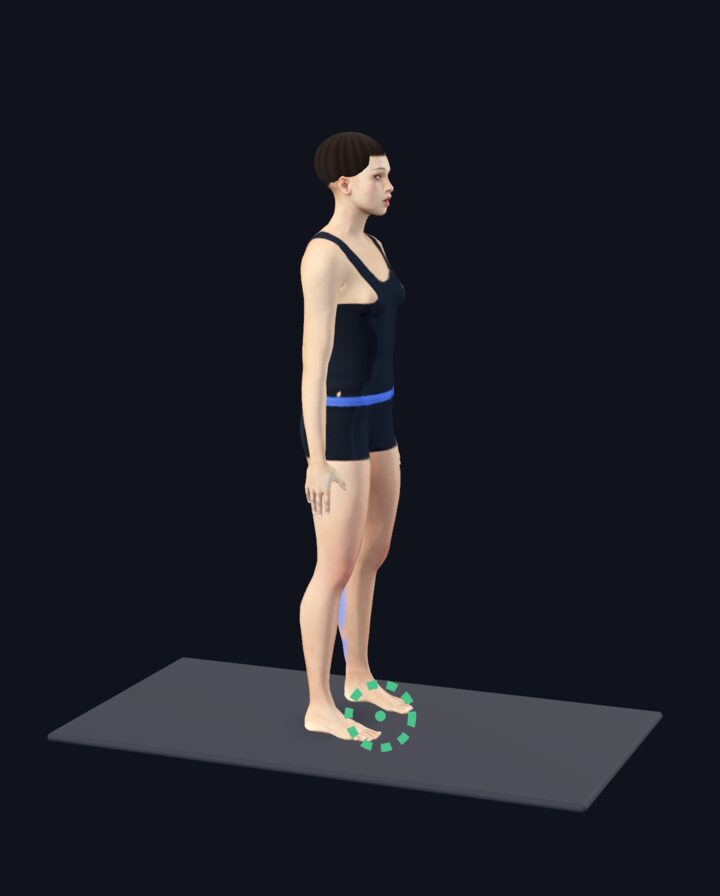
Calf raise. Hold the back of a stable chair, lift both heels, then lower them slowly. Try five reps. For an easier version, lift your heels only a little. NHS calf raises
Keep the backup somewhere you can see it. If you want a longer session for days with more room, use the beginner’s guide to working out at home.
Does a workout have to feel like hard work to be worth doing?
Myth: The workout I dread is probably the one I should do. Some goals call for challenging practice, and a demanding session can feel satisfying afterwards. That makes effort an easy thing to mistake for the whole point of a workout.
What’s true: Enjoyment can help you keep going during a session. In a gym experiment, people did more reps when they chose a weight exercise for enjoyment than when they chose one for usefulness. The experiment measured what people did that day. A brisk walk is also a valid way to get moderate aerobic activity. Exercise enjoyment experiment · CDC adult activity guidelines
Pick something you can look forward to during the session. Put on a playlist you actually like, choose the walking route with fewer busy crossings, or swap the living-room routine for a brisk walk with a friend when the goal is to move. If you keep putting off the entire workout because of one exercise, try changing that exercise first.
Does missing a workout break the habit?
Myth: Once I miss a session, I’ve lost my momentum and need to start over. A streak makes progress easy to see. The empty square on a calendar is just as easy to see, which can make it feel more important than the sessions you did.
What’s true: In a study of everyday habits, including activity habits, missing one opportunity made little difference to how the habit formed. The study followed people repeating behaviours in a consistent setting, so the practical move is to return to a cue you already use. Everyday habit study
If Tuesday disappears, use your next planned slot and do the usual session or the short version. If Tuesday keeps disappearing, change Tuesday. Move the workout to a time you usually have free, even if it looks less impressive on paper.
Do you have to work out every day to stay consistent?
Myth: A daily workout is the only way to build a routine. Doing something every day gives you a simple rule. Daily movement can suit people who like that rhythm.
What’s true: The adult activity guidelines set weekly targets. They recommend at least 150 minutes of moderate aerobic activity or its vigorous equivalent, plus strength work for all major muscle groups on at least two days. You can spread that work across the week. CDC adult activity guidelines
Start with days you can keep, and let the other days be flexible. If you like moving daily, a walk can sit alongside your planned strength sessions. The mix matters when deciding whether to work out every day.
The short version
- Give each workout a start cue and a backup slot.
- Keep a short home routine for crowded days.
- Choose an activity you enjoy enough to repeat.
- After a missed session, return at the next workable time.
This article is general information, not medical advice. If you have a health condition, an injury or are pregnant, check with a doctor before you start.
 How often should I work out my legs?
 How many push-ups a day is good?
 How to warm up corn tortillas so they fold